Can You Trust What You See? The Rise of Visual Misinformation
By HoqueAI.TV Editorial Team | August 2025
Introduction
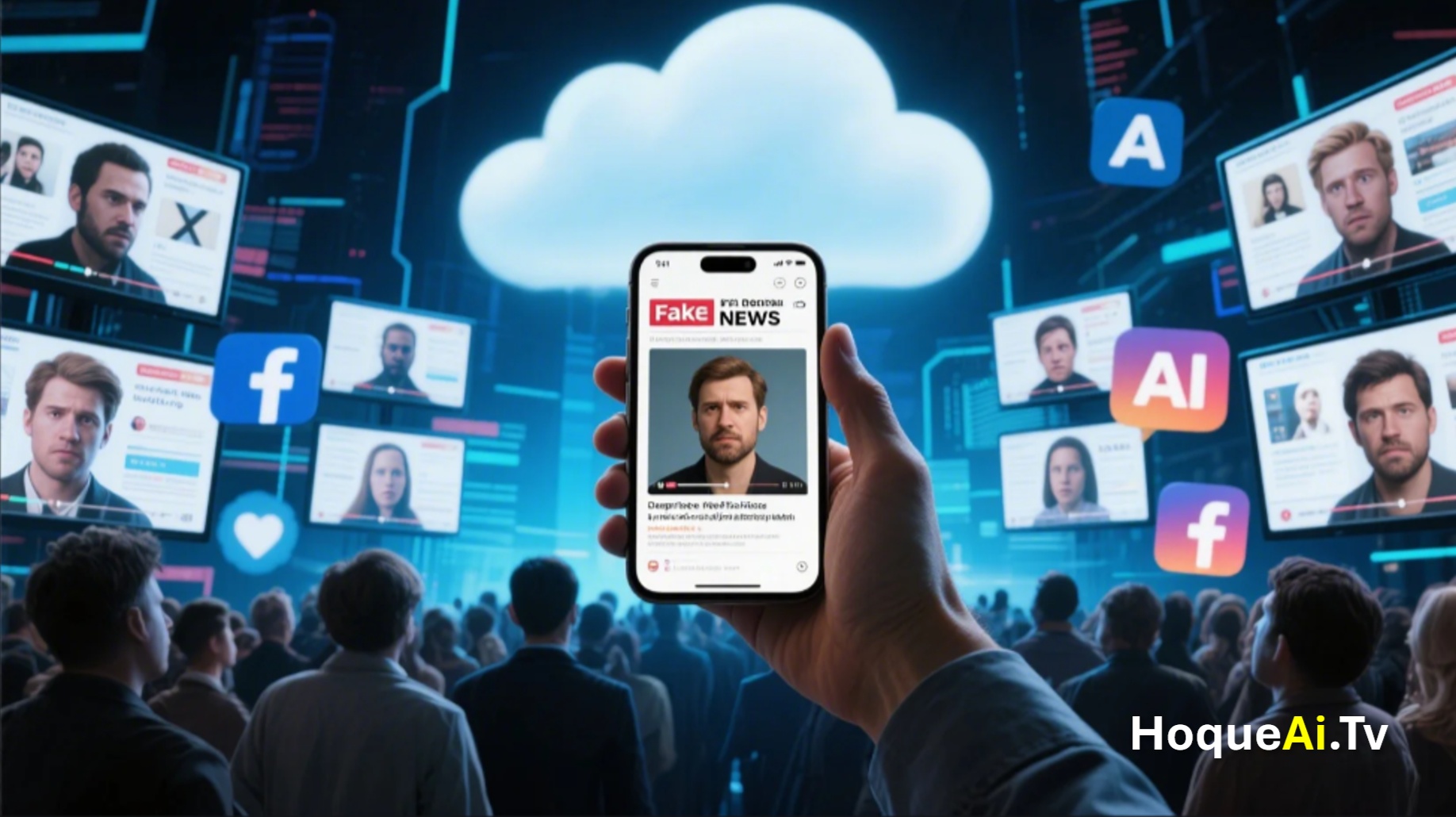
In an era defined by instant sharing, powerful visual tools, and artificial intelligence, seeing is no longer believing. Once considered the most trustworthy form of evidence, images and videos now fall under increasing scrutiny. Visual misinformation—ranging from simple photo edits to sophisticated AI-generated deepfakes—is spreading at an alarming rate, altering public perception, influencing elections, and inciting violence. But how did we get here, and what can we do about it?
1. The Evolution of Misinformation
Misinformation is not new. For centuries, rumors and propaganda have shaped politics, war, and culture. But today, the speed and reach of digital media have supercharged the spread of false information. What used to take weeks to circulate can now go viral in minutes—with a single manipulated image or misleading clip triggering international consequences.
2. The Rise of Deepfakes and Synthetic Media
Deepfakes use artificial intelligence—specifically deep learning—to generate fake videos or images that appear real. With just a few minutes of footage or audio, software can replicate a person’s face and voice, making it seem like they said or did something they never did. From celebrities to politicians, no one is safe from digital impersonation.
In 2018, a deepfake video of Barack Obama appeared online warning viewers about the dangers of misinformation—ironically, the video itself was AI-generated. Since then, countless deepfakes have surfaced, some humorous, others malicious. The technology is becoming more accessible and harder to detect.
3. Misleading Thumbnails and Edited Images
Not all visual misinformation is powered by AI. Simple photo manipulations using tools like Photoshop can be equally deceptive. Cropped images, altered lighting, or added elements can completely change the meaning of a photo. A protest can be made to look like a riot. A politician’s gesture can be reframed to imply wrongdoing. Even legitimate photos are used out of context, leading viewers to believe something that isn’t true.
4. Viral Memes as Vehicles of Misinformation
Memes are powerful storytelling devices. With humor and strong visuals, they spread quickly and stick in people’s minds. But memes often present cherry-picked or false information in simplified form, without nuance or fact-checking. In the wrong hands, memes become weapons of manipulation, particularly during elections, crises, or conflicts.
5. The Psychology Behind Visual Trust
Humans are wired to believe what they see. Visual information is processed faster and retained longer than text. This "seeing is believing" bias makes visual misinformation more effective and dangerous. Even after correction, the original visual often leaves a lasting impression—what psychologists call the "continued influence effect."
6. The Role of Social Media
Social platforms like Facebook, Twitter (now X), Instagram, and TikTok are designed to promote engaging content, not accurate content. Visual misinformation tends to be sensational, shocking, or emotional—perfect for shares and clicks. Algorithms reward engagement, regardless of truth. Once a fake video goes viral, it’s often too late to contain the damage.
7. Real-World Consequences
The consequences of visual misinformation are far from theoretical. In Myanmar, doctored images were used to incite violence against the Rohingya minority. In India, viral WhatsApp videos sparked mob lynchings. During the COVID-19 pandemic, fake images of empty grocery stores and overcrowded hospitals caused panic. Visual lies can erode trust, deepen divisions, and endanger lives.
8. Can AI Fight AI?
Interestingly, the same technologies that create visual misinformation are being used to detect it. Companies and research labs are developing AI tools to identify manipulated media. These systems analyze inconsistencies in lighting, shadows, eye movement, and voice patterns to flag fakes. However, it’s a constant arms race—the more detection improves, the more sophisticated the fakes become.
9. Tools and Initiatives to Combat Visual Misinformation
- Content Authenticity Initiative (CAI): Led by Adobe and other media giants, CAI promotes digital provenance—tracking the origin and edits of media files to verify authenticity.
- Google’s Fact Check Tools: Helps users find verified claims related to images or videos.
- InVID and WeVerify: Browser extensions that analyze videos and images for authenticity, used by journalists worldwide.
- Media literacy campaigns: NGOs and educators are teaching people how to critically assess visual information and verify sources.
10. What Can Individuals Do?
Combating visual misinformation requires collective vigilance. Here are steps individuals can take:
- Use reverse image search tools (like Google Lens or TinEye) to verify suspicious images.
- Look for context—who posted it, when, and where did the content originate?
- Be skeptical of visuals with overly emotional captions or bold claims.
- Report visual misinformation on social platforms to reduce its spread.
- Educate others—especially the elderly or non-tech-savvy individuals—about fake visuals.
11. The Responsibility of News Outlets and Tech Platforms
Traditional media must step up with stronger fact-checking practices and clear visual sourcing. News outlets should disclose when images are edited or represent simulations. Meanwhile, tech platforms have a duty to improve detection algorithms, add warning labels, and reduce algorithmic amplification of harmful visual content.
12. Toward a More Visually Literate Society
The rise of visual misinformation is not the end of trust—but a challenge to rebuild it. Just as we learned to read critically, we must now learn to see critically. Visual literacy—understanding how images and videos can deceive—is becoming as essential as basic reading and writing.
Conclusion
We live in a world where our eyes can no longer be the sole judge of truth. While technology has made it easier to manipulate what we see, it has also empowered us with tools to detect deception. The battle against visual misinformation isn’t just about tech—it’s about awareness, education, and collective responsibility. Only by understanding how easily visuals can lie can we begin to see clearly again.